

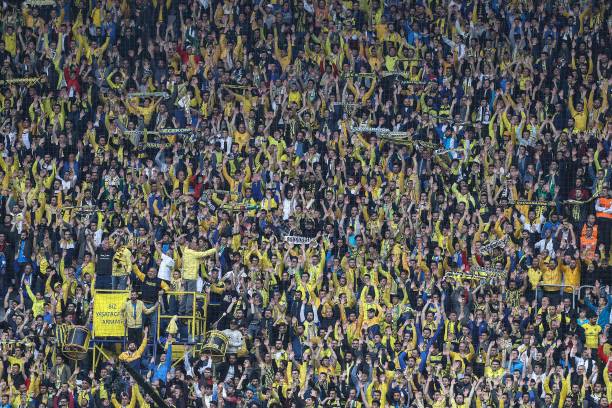
Fenerbahçe’s wage bill has grown quickly in recent seasons. The club now sits among the Super Lig’s biggest spenders on player salaries.
According to aggregated payroll data, the estimated total gross salary for the 2025–2026 season is in the triple-digit millions of euros, reflecting heavy investment in high-profile signings and contract renewals.
Quick snapshot — numbers that matter
- Total payroll (2025–26): large — reported in the low hundreds of millions of euros.
- Weekly averages differ wildly: top stars earn hundreds of thousands per week; many squad players earn far less.
- Top individual deals drive the headline figures.
Ederson — goalkeeper wages and contract
The goalkeeper who arrived to replace a long-serving No.1 commands one of the club’s highest pays. Ederson is listed with an estimated gross annual base salary of about €13.75 million for the 2025–2026 season, which works out to roughly €264,423 per week (gross), not including performance bonuses and image rights. These figures come from detailed salary-tracking aggregators that publish contract estimates for top players.
Numbers like that change negotiation by negotiation. Still: a €13–14M annual base puts him firmly in the club’s top tier for pay. Simple fact: big name, big money. That has a ripple effect on the wage structure of the whole squad.
Marco Asensio — signing profile and pay (Capology figures)
Signed to add experience and attacking flair. Marco Asensio reportedly has a contract showing an approximate annual base in the region of €10,000,000 (Capology’s breakdown lists around €192,308 gross per week and shows contract details verified on their page). That estimate includes base salary and flags possible adjustments for bonuses or guaranteed add-ons.
Short and practical: Asensio’s deal is expensive by Turkish standards but aligns with what European players of his profile command when they move from top leagues. It helps explain why the club’s total wage number has jumped.
Milan Škriniar — reported terms and differing sources
The centre-back’s numbers are reported with some variation across outlets. One widely cited news report notes his annual pay at around €8 million following a permanent move; other salary databases list higher season figures (some aggregate pages estimate up to around €10 million for the season). Both types of sources reflect real data points: club announcements and press reporting on the one hand; aggregated contract databases on the other. Milan Škriniar is therefore commonly presented in reports as earning in the mid-single to low-double millions per year, depending on whether bonuses and adjustments are included.
Why the gap? Different outlets tally guaranteed base pay versus potential earnings. Also, currency conversions and reporting norms (gross vs net) create apparent discrepancies. The simplest takeaway: he is among the club’s better-paid defenders.
Off the pitch: privacy and device apps (short paragraph)
Players and staff travel a lot. They connect on many devices. For personal privacy and safer web access when using public Wi-Fi or foreign networks, a lightweight VPN app can help secure routine connections on phones and tablets. The VeePN app for devices is one practical option; it’s straightforward to install and runs quietly in the background while you browse. The team’s media staff, agents and even fans often use similar tools to protect account access and sensitive communications.
How the top earners affect the squad
Big contracts at the top squeeze the budget available for the rest of the roster. That’s a straightforward point. Pay inequality is common at clubs pushing for continental competition and domestic domination. When you sign two or three players on seven-figure annual deals, the median salary climbs. The result: more pressure on sporting directors to balance the squad with lower-cost younger players, loans, and performance-linked deals.
A few quick stats drawn from public wage trackers:
- Top 3–5 players can represent 30–50% of the entire visible wage bill.
- Weekly top-earner figures commonly exceed €200k; lowest first-team contract figures are a small fraction of that.
Context and caveats when reading salary figures
Two things to keep in mind. First, public salary databases and news reports compile data from multiple sources: leaks, agent comments, official club filings, and transfer disclosures. Second, the commonly reported numbers often mix gross and net figures, and may or may not include bonuses, agent fees, signing fees amortised over contract length, or commercial income. In short: treat any single number as an estimate, not the final word. For the major headline salaries, though, different sources broadly agree on the order of magnitude.
Short comparisons and perspective
- A €13.75M annual goalkeeper salary is roughly similar to top keepers in many European clubs; it’s not outlandish for a club chasing European competitiveness.
- A €10M-per-year attacker sits in the same bracket as many experienced internationals moving from La Liga or the Premier League.
- Defensive signings reported around €8–10M annually are high for a centre-back, but not unprecedented when the player has Champions League pedigree.
What this means for fans and club strategy
Fans see the big signings and the headlines. But sustainable success depends on balancing wages with commercial growth and transfer revenue. If wage growth outpaces income growth, clubs tighten other areas: academy spending, squad depth, and transfer flexibility. Conversely, if new commercial deals and European runs materialise, the higher wages can be absorbed and justified.
Final takeaways
- Fenerbahçe has invested heavily in player wages for the 2025–26 cycle; headline salaries for stars like Ederson and Asensio explain much of the increase.
- Milan Škriniar’s deal illustrates how reported numbers vary by source; plan for ranges rather than exact figures.
- Public trackers such as Capology and league salary summaries are useful for ballpark comparisons but read them with the usual caution about gross vs net and bonuses.
If you want, I can pull together a small table (annual and weekly estimates) for the top 8 earners using the same sources, or summarise only verified contract lengths and guaranteed base pay. Which would you prefer?