

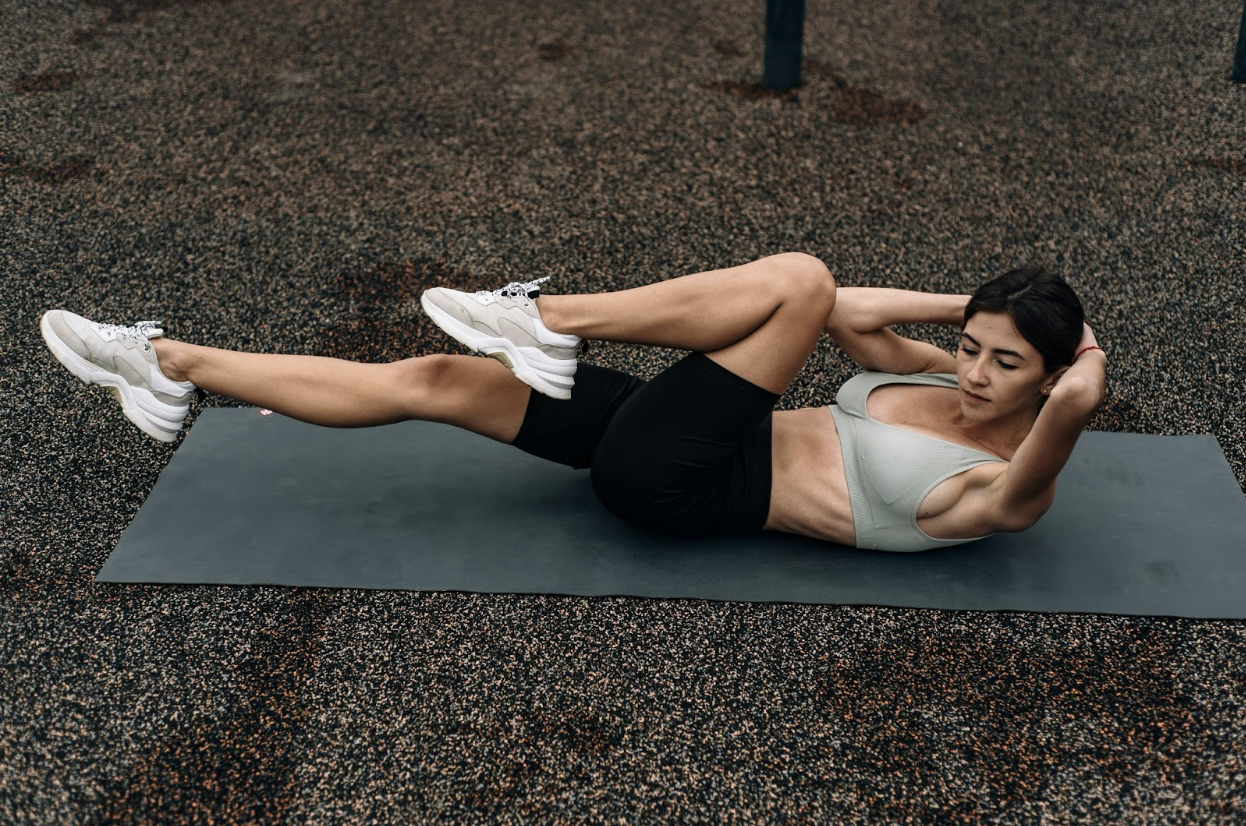
In the world of fitness, few debates are as prevalent as the comparison between different training modalities and the distinct physical results they produce. The discussion surrounding the Pilates body vs gym body is particularly common as these two approaches often represent divergent philosophies on strength, aesthetics, and functionality.
Choosing between hitting the squat rack or unrolling the mat often comes down to the specific visual and functional goals an individual possesses. To bring clarity to this topic, the experts and researchers at DoMyEssay collaborated with the best online essay writer to ensure this comparison is both scientifically rigorous and easy to digest.. This guide dissects the physiological differences between gym vs Pilates training to help you understand what each path truly offers.
What Are We Comparing?
To understand the debate of Pilates vs gym body, we must first define the characteristic results of each training style. It is important to note that genetics and diet play huge roles. However, the training stimulus dictates how muscles adapt.
What is a Pilates Body?
When people ask “what is a Pilates body,” they are usually referring to a physique characterized by overall leanness, defined but not bulky musculature, and exceptional posture.
What does a Pilates body look like? It is often described as “long and lean.” Pilates focuses heavily on the core or the “powerhouse.” This includes the deep transverse abdominis, obliques, and pelvic floor. The result is often a cinched waistline and flattened abdominals. Furthermore, Pilates emphasizes eccentric contraction, which means lengthening the muscle under tension. This tends to create a toned and elongated appearance rather than the shorter and rounded muscle bellies associated with heavy hypertrophy work. The typical Pilates body type looks mobile, upright, and balanced.
What is a Gym Body?
Conversely, the traditional “gym body” resulting from resistance and weight training is characterized by hypertrophy. This is an increase in muscle cell size. A Pilates body vs weightlifting body comparison shows that weightlifting focuses on progressive overload to break down muscle fibers so they rebuild larger and stronger.
The gym body aesthetic often features more pronounced muscle definition in specific groups, such as capped shoulders, developed glutes, quadriceps, and biceps. The look is generally more powerful and dense. When looking at a gym body vs Pilates body, the former prioritizes visible mass and raw strength metrics.
Why the Outcomes Differ
The difference between Pilates vs weight training results isn’t magic. It is physiology. The two methods recruit different muscle fibers and utilize different energy systems.
- Muscle Fiber Recruitment: Traditional gym weightlifting is often performed in lower rep ranges with heavier weights. This primarily targets Type II or fast-twitch muscle fibers. These fibers have the greatest potential for growth or hypertrophy. Pilates utilizes higher repetitions, longer time under tension, and isometric holds. This engages Type I or slow-twitch fibers more frequently. These fibers are built for endurance and tone rather than significant size increases.
- Stabilizers vs. Movers: The gym focuses on large “prime mover” muscles like pecs and quads. Pilates places immense focus on smaller and stabilizing muscles that support the spine and joints. This leads to the “postural look” inherent to the Pilates body.
Pilates Body vs Gym Body Comparison Table
This table summarizes the general expectations when comparing a consistent Pilates body vs gym body.
| Feature | Pilates Body | Gym Body (Weightlifting) |
| Primary Aesthetic | “Long, lean, and toned” look. | Increased muscle mass and definition (hypertrophy). |
| Core Focus | Deep internal stabilizers, flattening effect. | superficial abdominals (the “six-pack”), bracing strength. |
| Muscle Appearance | Elongated, subtle definition. | Rounded, pronounced muscle bellies. |
| Primary Strength | Endurance, flexibility, and core stability. | Maximal strength, power, and explosiveness. |
| Posture Impact | High focus on alignment and spinal health. | Varies as it can improve or worsen depending on form balance. |
Functional Benefits
The question is Pilates better than gym is flawed because “better” depends entirely on the goal. Both offer substantial yet different health benefits.
Benefits of the Pilates Route
The functional advantages of Pilates often relate to longevity and movement quality.
- Injury Prevention and Rehab: By strengthening stabilizers, Pilates protects joints. Physical therapists frequently prescribe it for alleviating back pain.
- Flexibility and Mobility: Dynamic stretching is woven into strength movements, which improves range of motion.
- Mind-Muscle Connection: The slow and controlled movements require intense mental focus. This improves proprioception.
- Breath Control and Circulation: The specific lateral breathing patterns used increase lung capacity and improve blood oxygenation.
- Pelvic Floor Strength: Deep core engagement specifically targets the pelvic floor. This is a critical area often overlooked in traditional heavy lifting.
Benefits of the Gym Route
The functional advantages of traditional weight training relate to metabolism and power.
- Increased Metabolic Rate: Muscle tissue is metabolically more active at rest compared to fat tissue. The more muscle mass a gym vs Pilates body has, the higher the resting metabolism.
- Bone Density: Heavy axial loading, like squats and deadlifts, is superior for increasing bone mineral density. This is crucial for aging populations.
- Raw Strength: For daily tasks requiring heavy lifting, traditional gym training is unmatched.
- Hormonal Response: Heavy resistance training triggers the release of beneficial hormones that aid in muscle growth, fat loss, and mood regulation.
- Targeted Sculpting: Weights allow you to isolate and grow specific body parts. This gives you precise control over your proportions and symmetry.
The “After” Effect and Reformer Nuances
It is also necessary to consider the distinct results of the reformer Pilates body vs gym body. The Pilates Reformer uses springs to add variable resistance that can be quite intense. This bridges the gap effectively, offering more potential for muscle building than mat Pilates, though generally less than heavy weightlifting.
When looking at an after-Pilates body vs gym body transformation, consistency is key. A Pilates body vs gym body woman comparison often finds women gravitating toward Pilates to avoid the “bulky” myth associated with weights, while others prefer the pronounced curves built by heavy glute training in the gym.
Conclusion
Ultimately, the battle of Pilates body vs gym is not about declaring a victor. It is about understanding the tool that matches your desired sculpture. If your goal is raw strength, significant muscle growth, and metabolic maximization, the gym is likely your path. If your goal is improved posture, lean tone, core stability, and flexibility, Pilates may be the superior choice. For many, the healthiest and most balanced physique comes from a hybrid approach utilizing the strengths of both disciplines.