

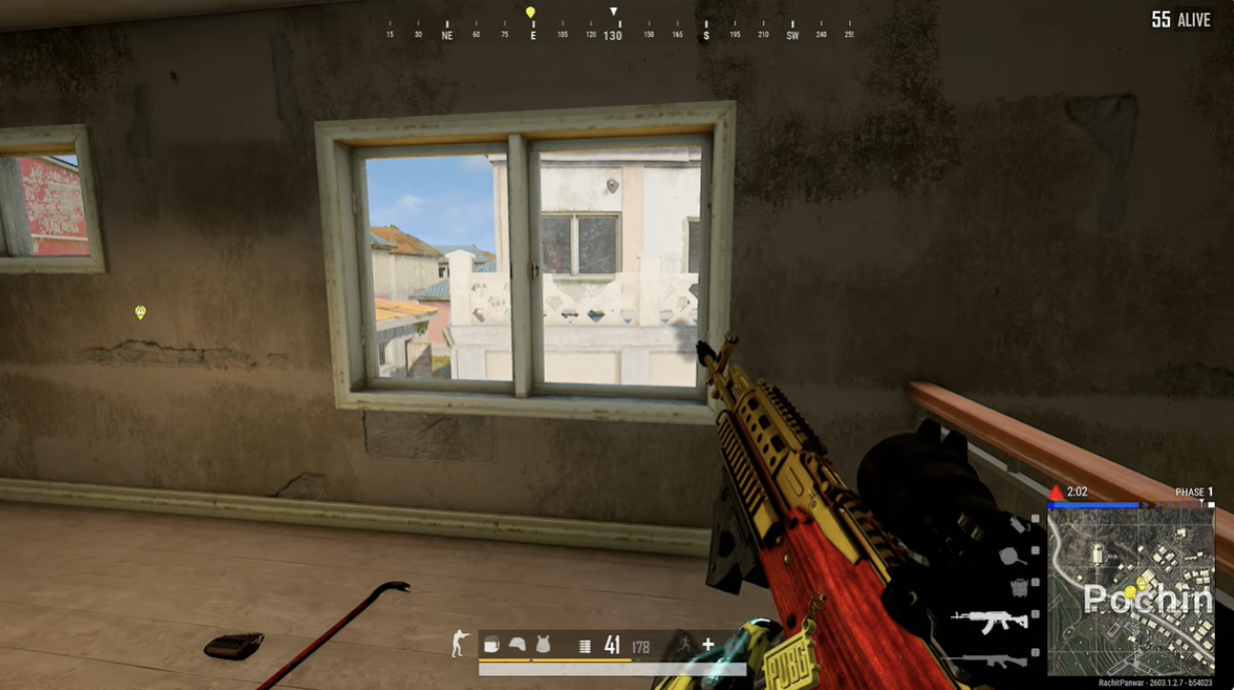
PUBG has a cheating problem. And if you’ve played the game for any length of time, you already know this.
But what you might not know is how sophisticated their detection system has become. We’re talking AI-powered behavioral analysis, kernel-level monitoring, and instant mid-match bans.
Let’s break down exactly how PUBG catches cheaters in 2026.
The Foundation: Multiple Detection Layers Working Together
PUBG doesn’t rely on a single anti-cheat method. Instead, they’ve built a multi-layered system that catches cheaters from different angles.
Think of it like airport security. You’ve got metal detectors, X-ray scanners, and actual humans checking IDs. Miss something at one checkpoint? The next layer catches it.
The system includes automated scanning that cross-references player activity against massive databases of known cheats. It monitors everything from crosshair movement patterns to how fast you’re looting.
And here’s where it gets interesting: Their AI doesn’t just look for exact matches. It identifies behavior patterns that no human could replicate.
AI-Powered Behavioral Analysis: The Game Changer
This is probably the most significant advancement in PUBG’s anti-cheat arsenal.
The AI watches for impossible human performance. We’re talking about reaction times measured in milliseconds that even professional players can’t achieve. Perfect recoil control across hundreds of shots. Tracking enemies through walls with pixel-perfect accuracy.
Machine learning models analyze millions of data points per match. They look at:
- Precise timing in recoil patterns that indicate scripts
- Auto-looting speeds that defy human capability
- Crosshair movements that snap to targets with inhuman precision
- Statistical outliers in headshot percentages and kill distances
What makes this effective is adaptation. The AI doesn’t need manual updates for every new cheat. It learns to recognize suspicious patterns and flags them automatically.
According to recent data, this approach helped achieve a 71% detection rate for third-party cheats in 2025. That’s up significantly from previous years.
Kernel-Level Monitoring: Going Deeper Than Most Games
PUBG’s anti-cheat operates at the kernel level—the core of your operating system.
This means it can intercept cheats before they even interact with the game. Many PUBG hacks with aimbot and ESP at Battlelog have evolved to try circumventing detection, but kernel-level protection makes this increasingly difficult.
The 2025 updates added specialized kernel drivers specifically targeting DMA (Direct Memory Access) hacks. These are hardware-based cheats that traditional software can’t detect because they operate outside the normal memory space.
But kernel access isn’t just about blocking. It’s about real-time enforcement.
When the system detects clear evidence of cheating, it doesn’t wait. Players get booted mid-match, sometimes within seconds of the cheat activation. You’ll see this happen in tournaments occasionally—a player suddenly disconnects and can’t rejoin.
The Human Element: Manual Reviews Still Matter
Automated systems are impressive, but they’re not perfect. False positives happen.
That’s why PUBG employs actual humans to review reports and analyze suspicious footage. The system prioritizes credible reports—accounts with good standing reporting players with questionable stats get reviewed faster.
The review team examines match history, looks at recorded footage, and cross-references with automated findings. They’re specifically trained to spot the subtle signs that distinguish skilled players from cheaters.
Think about it: A professional player might have incredible aim, but their crosshair movement will still show natural micro-adjustments. A cheater using an aimbot? Those adjustments disappear entirely.
This combination of automated detection and human oversight reduces false positives significantly. Updates rolling out through March 2026 have refined the criteria even further.
Community Reporting: Your Role in the System
Player reports feed directly into the detection algorithm.
When you report someone, you’re not just venting frustration. The system tracks these reports and correlates them with other data. Multiple reports on the same player trigger deeper investigation.
But here’s something most players don’t know: Not all reports carry equal weight. The system evaluates your reporting accuracy over time. Consistently report legitimate players? Your future reports get deprioritized.
Recent updates have improved report verification, making it harder for false reports to stick. The goal is protecting both the community and individual players from wrongful bans.
Beyond Gameplay: Additional Monitoring Systems
PUBG’s anti-cheat doesn’t stop at detecting aimbots and wallhacks.
Chat monitoring catches inappropriate behavior. Account security logs track suspicious login patterns. The merit point system rewards good behavior and flags repeat offenders.
And looking ahead? Voice recognition is planned for 2026 to catch toxic behavior in voice chat and potentially identify coordinated cheating networks through communication patterns.
Ban Waves and Enforcement Actions
Detection is one thing. Enforcement is another.
PUBG conducts regular ban waves, removing thousands of accounts simultaneously. These waves often coincide with major cheat provider takedowns—the company pursues legal action against hack developers.
Professional players caught cheating face lifetime bans. No second chances. The message is clear: cheat at the highest level, and your career is over.
For regular players, penalties range from temporary suspensions to permanent hardware bans. That HWID (Hardware ID) ban means even creating a new account won’t help—your actual computer is blacklisted.
What If You Get Banned By Mistake?
False positives are rare but they happen. Legitimate players have been caught in ban waves before.
If you believe you’ve been wrongly banned, you can appeal with evidence. The system looks for:
- Antivirus scan results showing no cheat software
- System logs from the time of the alleged violation
- Unedited gameplay footage demonstrating legitimate play
- Account history showing no previous infractions
The appeal process improved significantly in 2025. Response times dropped, and the criteria for overturning bans became more transparent.
Just remember: appeals backed by solid evidence get resolved faster. Screenshots aren’t enough—you need comprehensive data.
The Arms Race Continues
Here’s the reality: anti-cheat is an ongoing battle, not a solved problem.
Cheat developers constantly evolve their methods. PUBG’s detection systems adapt in response. It’s an arms race that never truly ends.
But the 71% detection rate and continuous improvements show the system is working better than ever. Official developer letters confirm ongoing AI model expansions and commitment to fair play.
The combination of technological advancement and human oversight creates a robust defense. Will it catch every single cheater? No. Nothing does.
But it catches most of them. And that makes the game significantly more enjoyable for legitimate players who just want a fair fight.
So the next time you spot a suspicious player, report them. The system is listening, analyzing, and most importantly—taking action.