

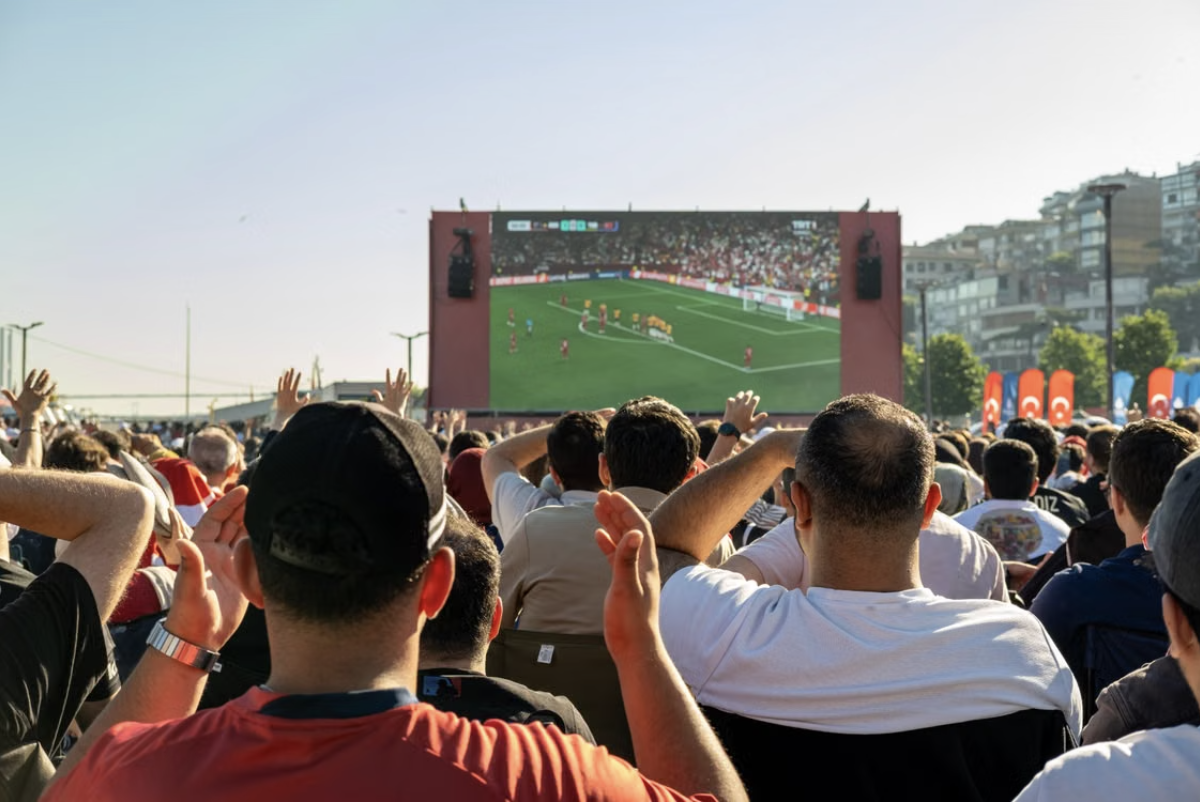
The World Cup experience can feel very different depending on where fans are watching and how sports conversations develop around them. Betting culture, media coverage, fan habits, and national expectations all shape how each match is discussed, influencing whether the focus remains on the action itself or extends to broader market trends.
Turkey and the United States illustrate these contrasting perspectives. One may emphasize betting access and market variety, while the other focuses more on football identity, match pressure, and tactical analysis. Comparing both highlights how World Cup coverage can differ between countries.
Different Legal Structures
The biggest difference is how sports betting is regulated. In the United States, the system is split by state, so availability can change depending on where a fan is located. As of May 2026, sports betting is legal in 39 states plus Washington, D.C., while online betting is available in 30 states plus Washington, D.C.
Turkey has a more centralized structure, which creates a distinct betting environment.Turkey’s legal fixed-odds sports betting market is tied to İddaa and the Spor Toto Organization, making it more restricted than the U.S. state-by-state model. This means American coverage often compares platforms and markets, while Turkish coverage is more likely to focus on the match itself.
Wider Market Choice
The U.S. betting scene usually offers fans more choices because, as noted, several licensed operators can compete across many states. The best betting site for World Cup betting is often judged by how many match angles it covers, not just by basic winner markets. FanDuel is one example of a platform that can frame World Cup matches through regulation time, extra time, live updates, player markets, futures, and other match-related options.
Turkey’s more limited betting market often keeps the conversation closer to team form, injuries, tactics, and match pressure rather than market competition. This creates a clearer football-first angle, especially when discussing a national team like Türkiye.
Mobile Access Difference
Mobile betting is a major part of the U.S. experience in states where online sports betting is legal. This gives fans quicker access to pre-match lines, live updates, and in-game markets. Because of that, U.S. World Cup analysis often reacts quickly to lineup news, substitutions, and shifts in momentum.
Turkey’s betting access is more controlled, so the experience is not as open or platform-heavy. That does not weaken the sports analysis, but it does shift the emphasis. Instead of frequent app-based updates, discussions often focus more on football knowledge, tactical analysis, and how the match unfolds on the field.
Host Nation Pressure
The United States had a strong host-nation angle in the 2026 World Cup because the match against Türkiye was played at Los Angeles Stadium. That changes the way analysts read the matchup. Crowd support, travel comfort, media attention, and home pressure all become part of the sports conversation.
Türkiye’s experience was different because it had to manage the atmosphere of playing as the host nation on American soil. That makes the analysis less about comfort and more about adjustment. Analysts would look at whether Türkiye could stay composed, handle crowd energy, and make the match uncomfortable for the U.S.
Different Team Stakes
The match context was also very different for each side. The U.S. had already secured first place in Group D before facing Türkiye, which changed how analysts viewed the game. Rotation, player management, and knockout-stage preparation became important parts of the American angle.
Türkiye’s side carried a different type of story because it had already been eliminated before the group-stage finale. That made the match less about qualification and more about pride, performance, and finishing strongly. From a sports analysis view, the same game had two very different meanings.
Analysis Style Difference
U.S. World Cup betting analysis often connects the match to numbers, trends, markets, and public interest. Because sports betting markets are widely available in many states, analysts often discuss how odds respond to injuries, team news, and public attention. This creates a more market-driven style of analysis.
Turkey-focused analysis can lean more toward football identity and tactical expectations. The conversation may focus more on defensive shape, player discipline, counterattacking chances, and the emotional response from supporters. This gives the comparison a strong contrast between market-based analysis and football-first analysis.
A Different World Cup Lens
In the U.S., the World Cup betting experience often feels broad, fast-moving, and closely tied to digital access. Fans may follow matches through live updates, odds movement, player markets, and platform comparisons while also watching the action unfold. This creates a sports analysis style that looks not only at the teams but also at how each match is framed across different betting options.
In Turkey, the World Cup experience is shaped more by football culture and a more controlled betting environment. The discussion often stays closer to tactics, team form, match pressure, and national pride. This gives Turkish coverage a more football-first feel, with a focus less on market variety and more on how the game is played and understood.